Program overview |
This course is led by David Bunn and Melissa McHale, Faculty of Forestry
|
About the course
This program takes students into the heart of the African savanna biome to learn from rural community members. It will offer insights into the innovative forms of community-based natural resource management emerging in South Africa. Our goal will be to understand the evolving landscapes of conservation in post-apartheid South Africa, and to explore the wicked problems faced by the millions of people living in poverty on the edge of protected areas. Unlike most study‐abroad programs in the region, this is not a tour. It combines adventurous travel with immersive field experience, data gathering, and long‐term partnerships with rural South African communities.
The DRAFT version of the CONS 454 course syllabus is available here:
Program eligibility
General Global Seminar requirements
To participate in a Global Seminar, students must:
- Be in good-standing in their faculty (as defined by home faculty)
- In the year leading up to the Global Seminar, have full-time student status (as defined by home faculty)
- Have completed 2nd year requirements before the start of the program (i.e., eligible for 3rd or 4th year standing)
- Have at least a 70% academic average in your last full-time academic session before applying
- Maintain a 70% academic average leading up to the program
- Meet any program specific requirements listed below including pre-requisites before participating
Program-specific requirements
- Some exceptions may be made for promising first year candidates.
Final selection will be made by the lead faculty program directors. Space in the program may be limited.
Students who wish to participate in the summer after graduating may be eligible on a case-by-case basis.
Experience and conditions in the Field
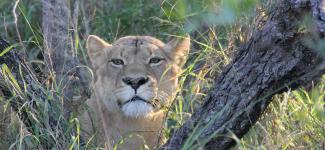
The main focus is on social‐ecological issues facing the 2 million people living on the edge of one of the world’s great game reserves: the Kruger National Park. We’ll spend time interacting with community leaders in Kruger’s southern border villages, studying land use/land cover change in the Greater Kruger National Park region, post‐apartheid land restitution, rural resource harvesting, and human‐wildlife conflict. Moving through Kruger itself, traveling in open safari vehicles, we’ll experience the reserve’s remarkable biodiversity. Working with South African National Parks scientists, we’ll examine issues around elephant and lion management, and the racial and economic complexities surrounding rhino poaching.
This is an active, outdoors program that requires a moderate level of physical fitness. Applicants who have limited mobility should consult with the course coordinators to expectations and alternatives.
Accommodations
Various types of accommodation at different points in the program including camping, simple cabins and hotel. Students can expect to share accommodations.
Program fees and costs
Approximate program fees: $8500*
*The final fee depends on the number of students in the seminar. All Global Seminars only run if there is a minimum number of students enrolled.
Included:
- Accommodations
- Program- related travel in-country; (e.g. buses, Jeeps)
- Excursions and entrance fees
- Most meals
- On-site guest lectures
Not Included:
- Go Global Fee ($415)
- Flights
- UBC tuition for credits
- Visa/country entrance fees
- Health or travel insurance
- Some meals
- Personal spending money*
Some examples of personal costs included: mobile communication, personal transportation that is not related to the learning outcomes of the program, additional meals that are not already identified as part of the Program Fee, immunizations, Visas, etc.